Medically reviewed by Dr. Shwetha Y Baratikkae, IVF Specialist & Obstetrician-Gynaecologist — Janisthaa IVF Center Bangalore |
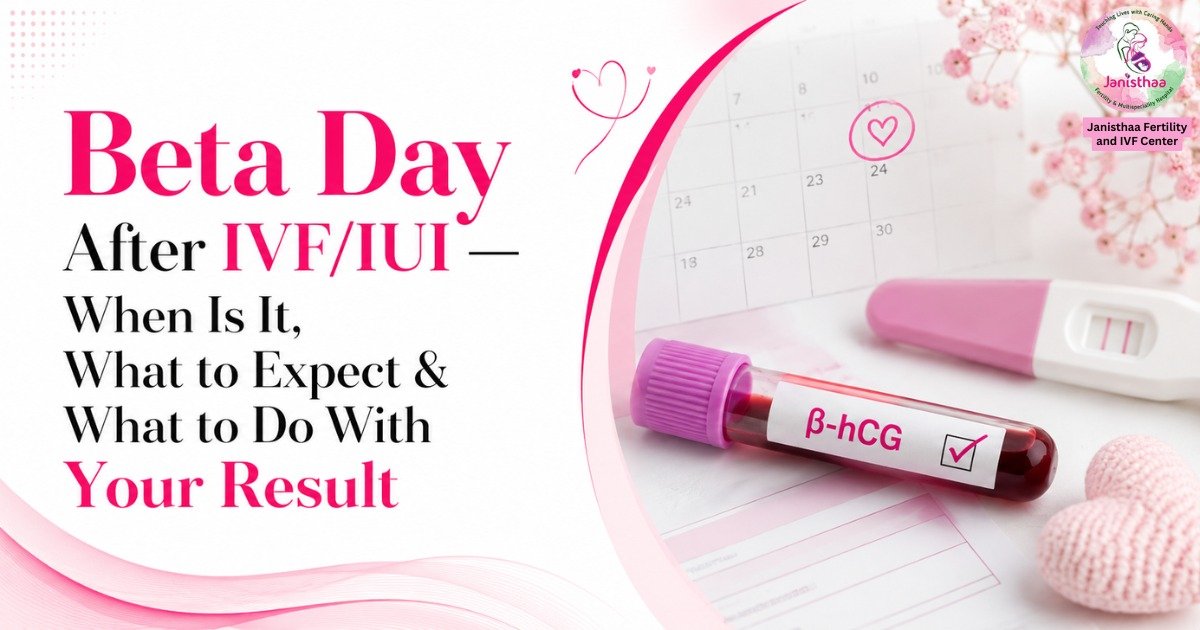
After IVF embryo transfer, progesterone medication causes almost identical symptoms to early pregnancy — breast tenderness, bloating, fatigue, nausea, and frequent urination. You cannot tell from symptoms alone whether the transfer was successful. The only reliable answer is the blood beta hCG test at Day 10–14 after transfer. No home pregnancy test, no symptom analysis, and no process of elimination can substitute for the blood test during the 2-week wait.
Progesterone Side Effects vs IVF Pregnancy Symptoms - Complete Comparison
This is one of the most valuable additions to the page. Most IVF patients during the 2-week wait struggle to tell the difference between early pregnancy symptoms and progesterone side effects, often needing to search across multiple websites for clear answers. This page brings all that information together in one place, helping patients better understand what they may be experiencing during the IVF 2-week wait.
Learn more: progesterone soft gelatin capsules — uses and side effects
| Symptom | Can Progesterone Medication Cause It? | Can Early Pregnancy Cause It? | Is It Possible to Tell the Difference? |
|---|---|---|---|
| Breast tenderness | ✅ Yes — extremely common | ✅ Yes — very common | ❌ No — both feel almost identical |
| Breast heaviness | ✅ Yes | ✅ Yes | ❌ No |
| Bloating | ✅ Yes — one of the most common side effects | ✅ Yes | ❌ No |
| Fatigue / tiredness | ✅ Yes — especially with oral progesterone | ✅ Yes | ❌ No |
| Mild nausea | ✅ Yes | ✅ Yes — usually after Week 5–6 | ❌ No during the early 2WW |
| Frequent urination | ✅ Yes | ✅ Yes | ❌ No |
| Vaginal discharge | ✅ Yes — often from dissolving progesterone capsules | Sometimes | Usually medication-related |
| Mood swings / irritability | ✅ Yes | ✅ Yes | ❌ No |
| Mild cramping (Days 1–5) | ✅ Yes — progesterone affects the uterus | ✅ Yes — can occur after embryo transfer | ❌ No |
| Light spotting (Days 6–10) | ❌ Progesterone usually does not cause this | ✅ Possible implantation bleeding | ✅ May be an early pregnancy sign |
| No symptoms at all | ✅ Some women have no progesterone symptoms | ✅ Many successful IVF pregnancies have no symptoms | Lack of symptoms does not mean failure |
| Positive beta hCG blood test | ❌ Progesterone cannot cause this | ✅ Yes — confirms pregnancy | ✅ Blood beta hCG is the only reliable answer |
Dr. Shwetha’s Note:
“The most common question during the two-week wait is: ‘Do I feel pregnant?’ The honest answer is — nobody truly knows yet, including your body. Progesterone medications are specifically designed to support pregnancy and can create symptoms that feel exactly like early pregnancy. That is why the beta hCG blood test on Day 10–14 remains the only reliable way to confirm whether implantation has happened.”
Experiencing IVF pregnancy symptoms can be exciting yet overwhelming for couples undergoing assisted conception. While many symptoms mirror those of natural pregnancy, some may appear earlier or feel more intense due to the nature of the IVF process. Understanding what to expect after embryo transfer can help reduce anxiety and improve your overall IVF journey. In this expert-reviewed guide, the specialists at Janisthaa IVF & Fertility Center explain the most common IVF pregnancy symptoms, when they may occur, and when you should seek medical advice.
Embarking on an IVF journey is a monumental step toward parenthood. As your IVF pregnancy progresses, it brings unique experiences and milestones. Understanding the week-by-week symptoms can help you navigate this transformative journey with confidence and care.
In this comprehensive guide, we’ll delve into the stages of IVF pregnancy, symptoms to expect, and crucial milestones, while addressing common concerns like “watery period blood sign of pregnancy.
What is IVF Pregnancy?
An IVF pregnancy begins with fertilization in a laboratory setting, where an egg and sperm are combined, and the resulting embryo is transferred to the uterus. This advanced method is often guided by the Best IVF doctor in Bangalore, ensuring careful monitoring and personalized care throughout the process.
Weeks 1-4: The Start of Your IVF Pregnancy
The Embryo Transfer
Your IVF pregnancy begins with the transfer of a viable embryo into your uterus. After the transfer, a two-week wait (2WW) ensues before taking a pregnancy test.
Learn more : sleeping position and bed rest after embryo transfer
Symptoms During Weeks 1-2
- Mild cramping or bloating.
- Light spotting, often referred to as implantation bleeding.
- Breast tenderness due to hormonal changes.
Pro Tip: Spotting, especially if light and pinkish, is a common symptom. However, if you notice watery period blood, consult your doctor, as it could indicate an early pregnancy sign or another concern.
Confirmation of Pregnancy (Weeks 3-4)
A blood test confirms pregnancy by detecting elevated hCG levels. Symptoms during this period may include:
- Fatigue.
- Increased sensitivity to smells.
- Slight nausea.
Learn More : understanding your beta hCG result after IVF
Weeks 5-8: Development and Early Signs
What Happens in Weeks 5-6?
Your baby’s major organs begin to develop. The embryo transitions into a fetus, and its heart starts beating around Week 6.
Symptoms to Expect
- Nausea or morning sickness.
- Heightened emotions due to hormonal shifts.
- Slight abdominal discomfort as the uterus expands.
Weeks 7-8 Milestones
By Week 8, your baby’s facial features and limbs start forming. Regular ultrasounds with the Best IVF doctor in Bangalore ensure your pregnancy is on track.
Weeks 9-12: The First Trimester Milestone
Fetal Development
During this period, vital organs and systems are fully formed. The fetus is around 2-3 inches long by Week 12.
Symptoms to Watch For
- Increased urination due to hormonal changes and uterine growth.
- Mood swings and fatigue.
- Occasional spotting.
Note: While spotting can be normal, watery or unusual bleeding should be promptly addressed.
Weeks 13-16: Entering the Second Trimester
Key Changes in Weeks 13-14
The second trimester brings a sense of relief as morning sickness subsides and energy levels improve. The baby’s skeletal structure strengthens, and reflexes like sucking begin.
Symptoms During This Stage
- Visible baby bump starts forming.
- Reduced nausea.
- A sense of calm as hormonal levels stabilize.
Weeks 15-16 Milestone
Your baby’s skin begins to form, and hair follicles start developing. An anomaly scan may be scheduled to assess growth and development.
Weeks 17-20: Feeling Your Baby Move
The Quickening
By Week 18-20, you may feel your baby’s movements, often described as flutters.
Symptoms to Expect
- Round ligament pain due to uterine stretching.
- Increased appetite.
- Backaches as your body adjusts to pregnancy changes.
Regular follow-ups with your doctor ensure your baby’s growth aligns with developmental benchmarks.
Weeks 21-24: Viability and More Developments
What’s Happening with the Baby?
At this stage, the baby’s organs continue maturing, and they develop a sleep-wake cycle.
Symptoms in Weeks 21-24
- Swelling in hands and feet.
- Stretch marks on the abdomen.
- Braxton Hicks contractions may start.
Medical Insight: By Week 24, the baby is considered viable, meaning it has a chance of survival if born prematurely.
Weeks 25-28: The Third Trimester Approaches
Baby Growth
Your baby’s brain grows rapidly, and the lungs prepare for breathing. The baby may respond to external sounds.
Symptoms During Weeks 25-28
- Heartburn or indigestion.
- Difficulty sleeping.
- More noticeable baby movements.
Stay hydrated and maintain a balanced diet to support both your health and the baby’s growth.
Weeks 29-32: Preparing for Birth
Baby’s Development
By Week 32, the baby weighs about 3-4 pounds. Fat layers start forming under the skin, and movements become more coordinated.
Symptoms to Watch For
- Shortness of breath due to uterine pressure on the lungs.
- Frequent urination.
- Mild swelling in feet and ankles.
Tip: Regular prenatal visits are critical during this phase to monitor your and the baby’s health.
Weeks 33-36: Final Weeks
What’s Happening?
The baby shifts into the head-down position, preparing for birth. Weight gain accelerates, and the baby’s lungs are nearly ready for breathing.
Symptoms in the Final Weeks
- Increased pelvic pressure.
- Braxton Hicks contractions intensify.
- Disrupted sleep due to discomfort.
Weeks 37-40: The Home Stretch
Ready for Birth
By Week 37, your baby is considered full-term. During these weeks, the baby gains weight and prepares for delivery.
Symptoms to Expect
- Nesting instinct may kick in.
- Loss of the mucus plug (a sign labor is near).
- Regular contractions signal the onset of labor.
What Each Symptom Means Day by Day - 2 Week Wait After IVF
| Days After Transfer | What Is Happening in the Body | Symptoms You May Notice | Progesterone or Pregnancy? |
|---|---|---|---|
| Days 1–3 | The embryo is still floating inside the uterus and has not implanted yet | Bloating, mild cramping, breast tenderness | 100% progesterone-related — implantation has not occurred yet |
| Days 3–5 | The blastocyst begins hatching from its outer shell | Similar symptoms continue | Mostly progesterone-related |
| Days 5–7 | Implantation window — the embryo may begin attaching to the uterine lining | Mild cramping, pulling sensation, or pelvic heaviness | Could be either progesterone or implantation — impossible to tell apart |
| Days 6–10 | If implantation occurs, light spotting may happen | Light pink or brown spotting along with previous symptoms | Spotting may be a possible implantation sign |
| Days 8–10 | If pregnancy has started, hCG levels slowly begin rising | Symptoms may feel slightly stronger | Still impossible to distinguish from progesterone effects |
| Day 10–12 | hCG may become detectable on an early sensitive blood test | Usually the same symptoms continue | Blood testing may provide an early answer |
| Day 14 | hCG becomes clearly detectable on a standard beta hCG blood test | Symptoms alone still cannot confirm pregnancy | This is the only reliable confirmation point |
Can I Take a Home Pregnancy Test During the 2-Week Wait After IVF?
This is the second most common question patients ask during the IVF two-week wait after “Is this progesterone or pregnancy?”
Why home pregnancy tests can be unreliable after IVF:
- HCG trigger shot interference — If you received an HCG trigger injection before egg retrieval, the synthetic HCG from the injection can remain detectable in urine for up to 10–14 days. This may cause a false positive pregnancy test.
- Testing too early — Between Days 8–11 after embryo transfer, hCG levels may still be too low to appear on a urine pregnancy test, even if implantation has successfully occurred.
- False negatives can cause unnecessary stress — A negative home pregnancy test on Day 10 does not always mean the IVF cycle failed. In many cases, it is simply too early for detection. Early testing often creates avoidable anxiety and emotional distress during the final days of the two-week wait.
The recommendation at Janisthaa IVF:
Wait for the scheduled beta hCG blood test on Day 10–14 after transfer. A blood test is far more sensitive than a home urine test and can detect lower hCG levels accurately. It also provides a quantitative hCG value — helping determine not only whether pregnancy has occurred, but also whether hormone levels are rising appropriately.
Conclusion: Empower Your IVF Journey
very IVF journey is unique, and understanding IVF pregnancy symptoms empowers you to navigate this special time with confidence. If you’re undergoing treatment or planning for an IVF cycle, having expert guidance makes all the difference.
Waiting for your Day 14 result?
At Janisthaa IVF Bangalore, Dr. Shwetha reviews every beta hCG result personally and calls patients with their results. Your next appointment is already scheduled — hold on.
Any concerns during the 2-week wait — WhatsApp our team directly.
Book Consultation WhatsApp Our Team +91 95911 11407