
Testicular Sperm Aspiration (TESA): Key Fertility Testing & Treatment
Male infertility affects millions of couples worldwide, with conditions like azoospermia (absence of sperm in semen) making natural conception difficult.
Fertility evaluation is a structured medical assessment designed to identify the possible causes of infertility in both women and men. It includes a combination of clinical examinations, laboratory tests, and imaging studies that help fertility specialists understand how the reproductive system is functioning.
At Janisthaa IVF, fertility evaluation focuses on identifying concerns early, so couples can receive timely guidance and appropriate treatment options rather than delaying care.
Fertility evaluation is a comprehensive assessment of male and female reproductive health using medical tests and imaging. It helps identify infertility causes early and guides personalized treatment options such as lifestyle care, IUI, or IVF.
Early fertility assessment helps:
Identify correctable fertility issues
Avoid unnecessary delays in treatment
Choose the most suitable fertility approach
Plan pregnancy more effectively, especially with age-related factors
Understanding the cause of infertility allows specialists to recommend targeted treatments instead of trial-and-error methods.
If pregnancy has not occurred after:
12 months of regular unprotected intercourse (under 35)
6 months (above 35)
a fertility evaluation is recommended to assess underlying causes.
Women with irregular menstrual cycles, hormonal imbalances, thyroid disorders, PCOS, or a history of pelvic infections should consider early fertility evaluation, as these conditions can impact ovulation and conception.
Age plays a significant role in fertility. Fertility evaluation is especially important for individuals or couples planning pregnancy later in life, as it helps assess ovarian reserve and reproductive potential early.
At Janisthaa – Fertility Hospital, Bangalore, the assessment for female fertility is oriented toward learning about ovulation, hormone balance, reproductive anatomy, and the health of the egg.
An ultrasound aids in visualising the uterus and ovaries. It ensures the absence of fibroids, cysts, or any other irregularities that can hinder conception or pregnancy.
Hormonal tests assess reproductive hormone levels such as FSH, LH, AMH, and thyroid hormones. These tests help evaluate ovarian function, egg reserve, and ovulation patterns.
A hysterosalpingogram (HSG) or sonosalpingography (SSG) tests if the fallopian tubes are patent and functioning. Obstruction of tubes may render the sperm and egg incapable of meeting, resulting in infertility.
These are minimally invasive tests applied to investigate the uterus, fallopian tubes, and ovaries. They assist in identifying conditions such as endometriosis, fibroids, or adhesions that might impair fertility.
This test measures sperm count, motility (mobility), and morphology (form). It assists in determining whether or not the sperm are healthy enough to fertilise.
The DFI test examines sperm DNA integrity. Elevated DNA fragmentation decreases the possibility of successful fertilisation and may be a causative factor for recurrent miscarriage.
These tests assess testosterone and other important hormones that control the production of sperm. Unbalanced levels can suggest hormonal or testicular failure.
Scrotal ultrasound tests for varicoceles (swollen veins), obstructions, or other structural abnormalities that may interfere with sperm quality or production.
Once fertility tests are completed, specialists carefully review results from both partners together. This combined evaluation provides a clearer picture of fertility challenges.
Infertility may be due to:
Female factors
Male factors
Combined causes
Unexplained infertility
Accurate diagnosis ensures appropriate treatment planning.
Based on findings, fertility specialists create a personalized fertility plan, which may include lifestyle guidance, medication, IUI, IVF, or further monitoring depending on individual needs.
After evaluation, patients receive clear explanations of:
Identified fertility concerns
Recommended treatment options
Expected timelines
Possible outcomes
This empowers couples to make informed decisions.
If natural conception is unlikely or delayed, assisted treatments such as IUI or IVF may be recommended. Fertility evaluation ensures that the chosen treatment is appropriate and not premature.
During your fertility evaluation consultation:
Medical history is reviewed
Required tests are explained
Treatment pathways are discussed
Questions and concerns are addressed
The consultation is designed to provide clarity, not pressure.
Booking a fertility evaluation appointment is simple. Once scheduled:
Tests are planned based on cycle timing
Reports are reviewed systematically
Follow-up guidance is provided clearly
Early evaluation often improves outcomes and reduces uncertainty.

Dr. Shwetha Y Baratikkae is an expert in reproductive medicine and laparoscopic surgery. She is also a very well qualified Obstetrician and Cosmetic Gynaecologist, capable of handling high risk pregnancies and gynecological issues.
Dr. Shwetha is very passionate about assisted reproductive techniques and she constantly updates herself with the latest techniques. She strictly believes in performing fertility treatments in the most ethical manner by introducing the patients to the most non intrusive stress free treatment. Her treatment and protocols are individualized and customized to each patient; this has proved to be very successful.
Advanced protocols and personalised treatment for better results.
Direct guidance and customised fertility plans.
Easy access and convenient treatment locations.
No hidden costs, quality care within budget.
IVF, ICSI, IUI, and more under one roof.
Patient-first care with emotional support.
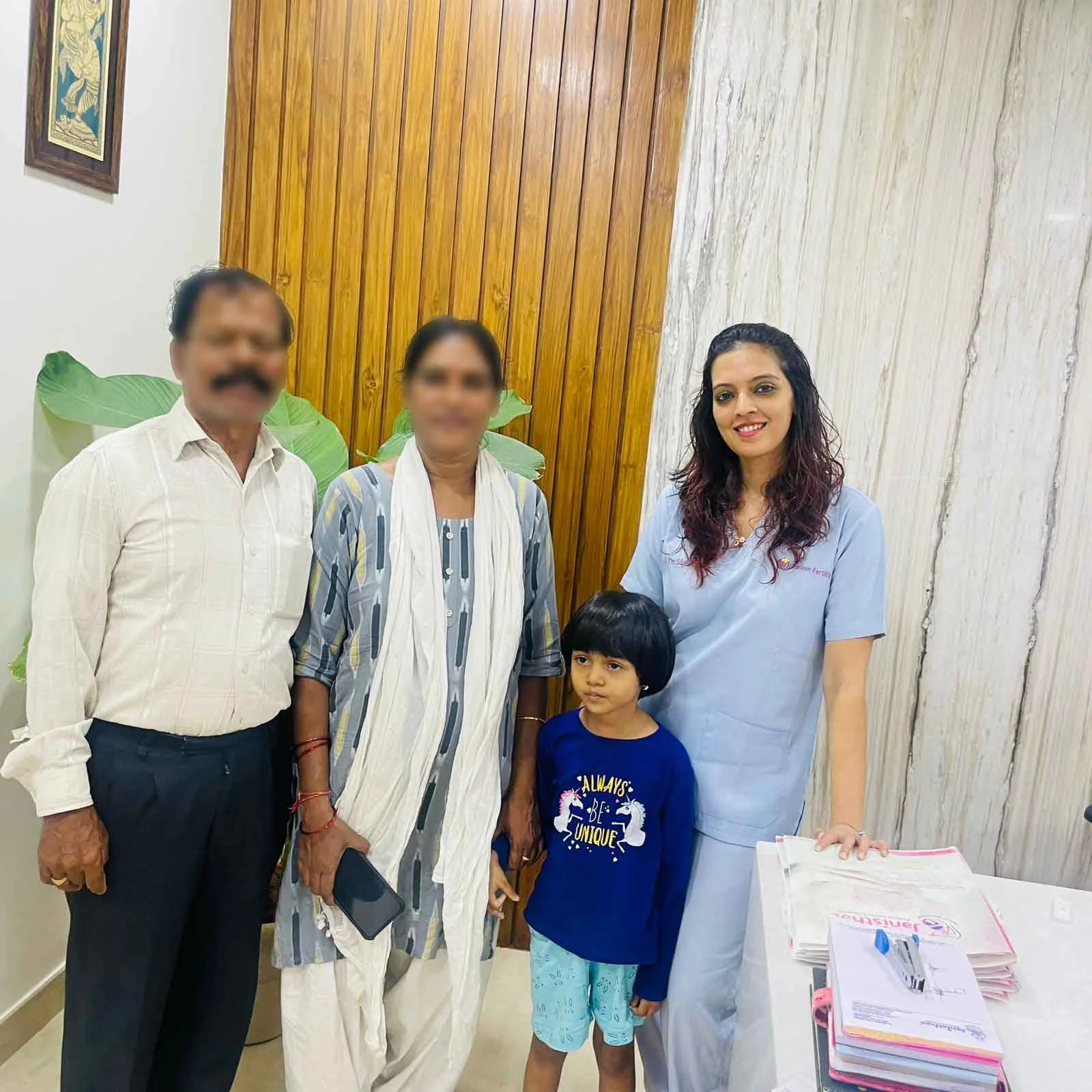
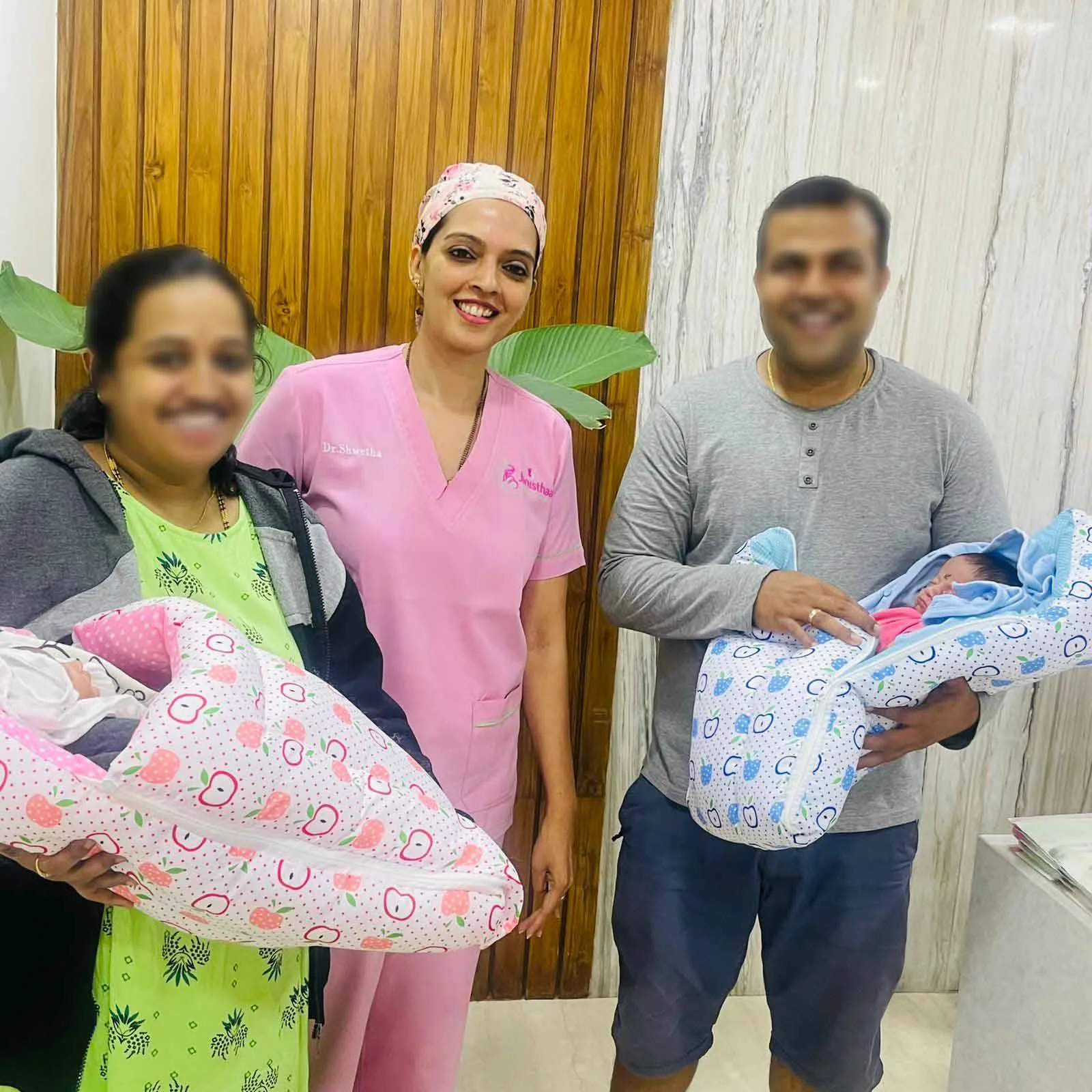



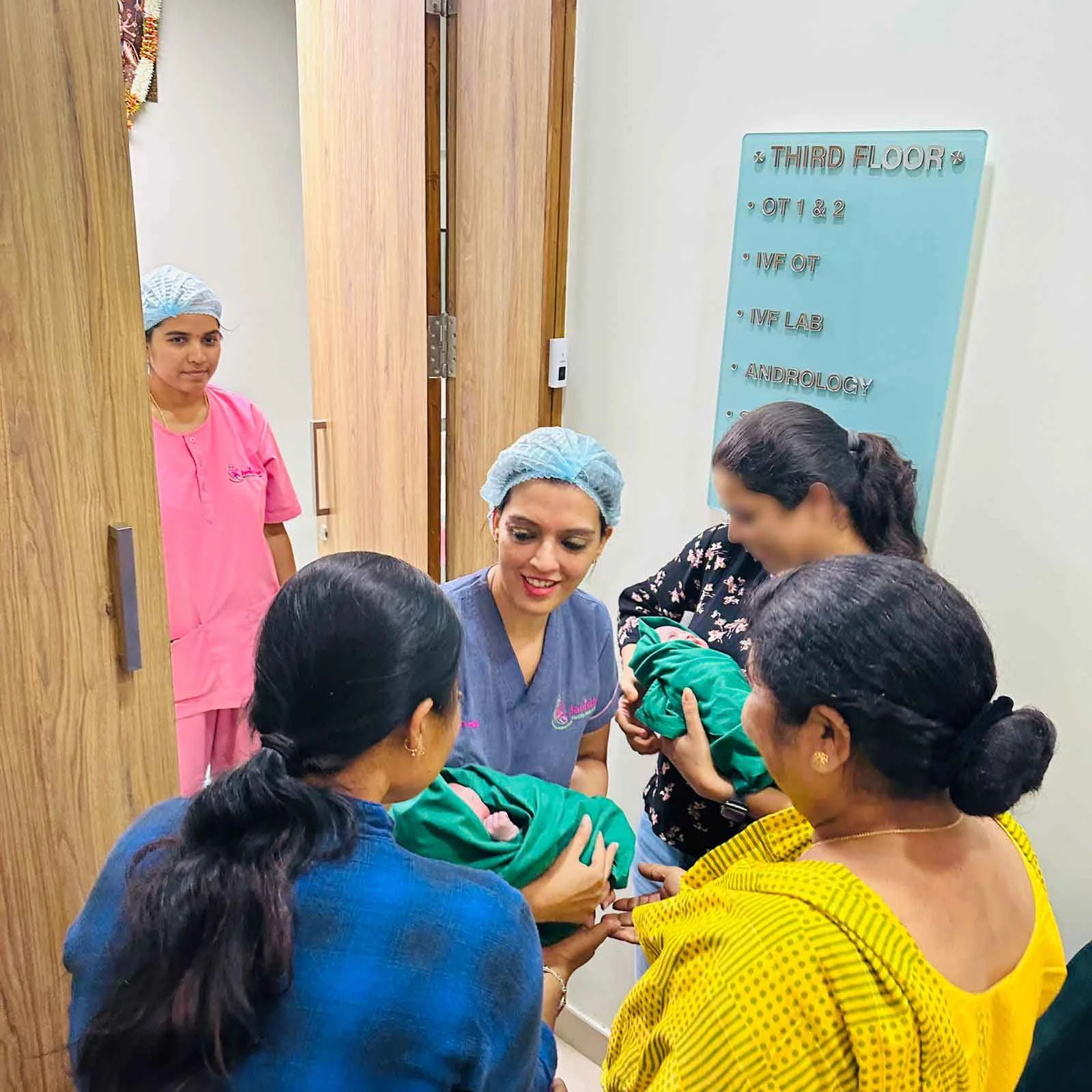



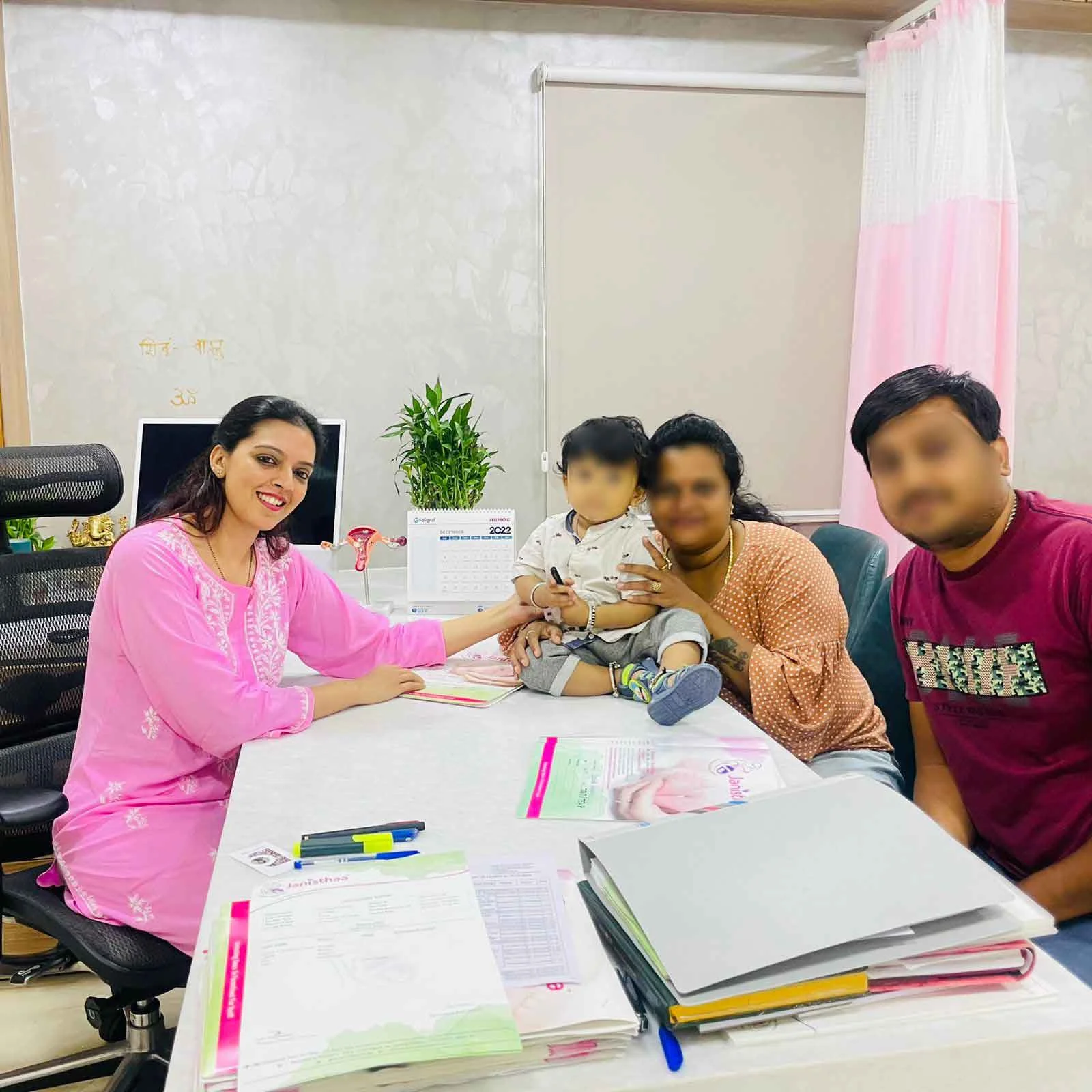
We hope that these testimonials will provide you with the confidence and inspiration to trust us with your journey towards parenthood







Male infertility affects millions of couples worldwide, with conditions like azoospermia (absence of sperm in semen) making natural conception difficult.

Fertility challenges affect millions of couples worldwide. For many men, declining sperm quality due to poor lifestyle choices, stress, or

The path to parenthood can be emotionally and physically stressful for many couples. Hormonal imbalances are frequently the cause of
Fertility evaluation is a set of medical tests and examinations used to identify the causes of infertility. It assesses both male and female reproductive health to help fertility specialists recommend appropriate treatment options.
Partners are usually recommended to get assessed if they've been unsuccessful in getting pregnant for a year (or six months, if the female is older than 35). But if there happen to be identified health problems such as infrequent menstrual cycles, prior miscarriages, or endocrine disorders, it would be advisable to see a doctor sooner.
A woman’s fertility evaluation may include a medical history review, hormonal blood tests, ultrasound scans, ovulation assessment, and evaluation of the uterus and fallopian tubes. These tests help assess ovarian reserve and reproductive health.
Male fertility evaluation typically involves semen analysis to assess sperm count, motility, and morphology. In some cases, hormonal tests or additional investigations may be recommended to identify underlying causes.
Female fertility tests may include hormone blood tests (such as AMH and FSH), pelvic ultrasound, ovulation tracking, and imaging tests to evaluate the uterus and fallopian tubes, based on clinical needs.
Male fertility tests usually start with semen analysis. Additional tests such as hormonal evaluation or imaging may be advised if abnormalities are detected.
Fertility evaluation can take a few days to a few weeks, depending on the tests required and the timing within the menstrual cycle. Your fertility specialist will guide you through the timeline.
Most fertility evaluation tests are minimally invasive and not painful. Some procedures may cause mild discomfort, but they are generally well tolerated.
You should go for fertility evaluation if conception is taking longer than expected, if you are planning pregnancy later in life, or if you have medical conditions that may affect fertility.
You can book a fertility evaluation consultation through the clinic’s website or by contacting the fertility center directly to schedule an appointment at your preferred location.
Female Fertility Treatments and Conditions:
Copyright © 2026 Janisthaa Fertility and IVF Center. All Rights Reserved.