
Male Infertility Testing: Signs, Process & When to Act
When it comes to family planning, the journey isn’t always straightforward. For couples facing challenges in conceiving, understanding the nuances
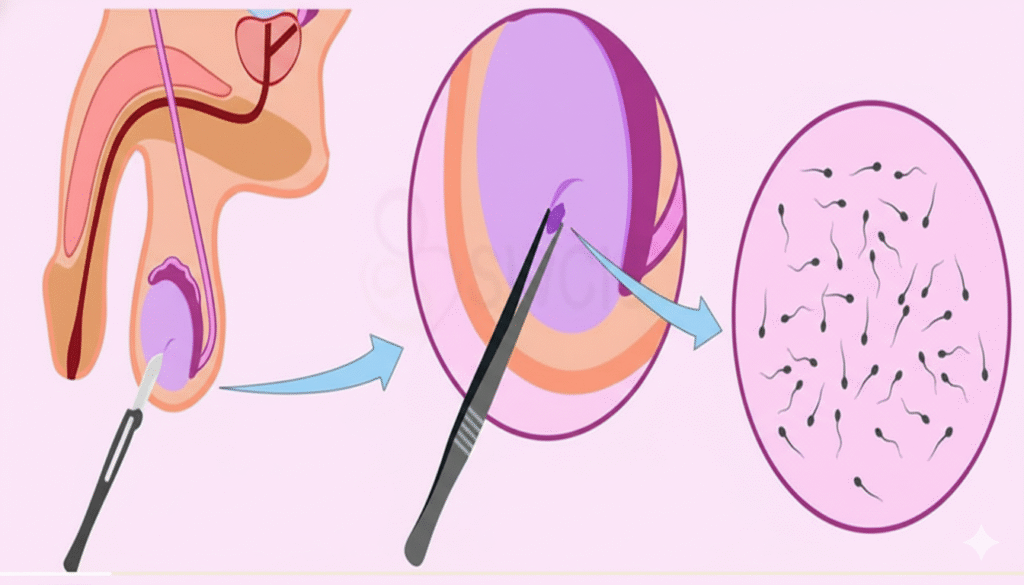
TESA (Testicular Sperm Aspiration) is a minor surgical procedure used to retrieve sperm directly from the testicular tissue in men who are unable to produce sperm in their ejaculate. It is commonly performed in cases of severe male infertility, particularly when sperm production is low or absent in semen samples.
TESA is a sperm retrieval procedure, not a fertility treatment by itself. The retrieved sperm is later used in assisted reproductive techniques such as IVF with ICSI. The procedure is minimally invasive and typically performed on an outpatient basis.
TESA is recommended when standard semen analysis does not show usable sperm, but there is a possibility that sperm may still be present within the testicles. A fertility specialist decides on TESA after thorough male fertility evaluation and diagnostic testing.
Before the procedure:
A detailed fertility evaluation is completed
Hormonal tests and imaging may be reviewed
The procedure and expected outcomes are explained
TESA is usually scheduled as a day-care procedure and does not require hospital admission.
During TESA:
A fine needle is inserted into the testicular tissue
Small samples are aspirated to retrieve sperm
The collected tissue is examined in the laboratory for viable sperm
The procedure is precise and performed by experienced fertility specialists to minimize discomfort.
TESA typically takes 15–30 minutes and is performed under local anesthesia. This ensures patient comfort while avoiding the need for general anesthesia in most cases.
TESA retrieves sperm from the testis and is typically used for non-obstructive azoospermia
PESA retrieves sperm from the epididymis and is usually recommended for obstructive azoospermia
The choice between TESA and PESA depends on the underlying cause of male infertility.
TESA uses needle aspiration and is less invasive
Micro-TESE is a microsurgical procedure used in complex cases where sperm retrieval is challenging
A fertility specialist determines the most appropriate method based on diagnostic findings.
After TESA:
Patients are advised to rest briefly
Mild swelling or discomfort may occur
Supportive care instructions are provided
Following post-procedure guidelines helps ensure smooth recovery.
Most patients can return to normal daily activities within 24–48 hours, depending on individual comfort levels. Heavy physical activity may be avoided for a short period as advised by the specialist.
Before recommending TESA, a detailed fertility evaluation is performed to confirm the diagnosis and assess suitability. This ensures that the procedure is appropriate and beneficial.
Based on evaluation results, fertility specialists create a personalized treatment plan, explaining how TESA fits into the overall fertility journey and whether IVF or ICSI is recommended.
At Janisthaa IVF, TESA is performed as part of a comprehensive male infertility care program. The focus is on accurate diagnosis, safe sperm retrieval, seamless coordination with IVF/ICSI treatments, and compassionate patient support throughout the process.

Dr. Shwetha is an expert in reproductive medicine, laparoscopic surgery, and cosmetic gynaecology. She is well respected for her ethical standards and individualised care and addresses complex cases of fertility and high-risk pregnancies with equal precision and sensitivity. Her treatments are state-of-the-art, minimally invasive, and customised to each patient, establishing her as one of the most reliable names in women’s healthcare.
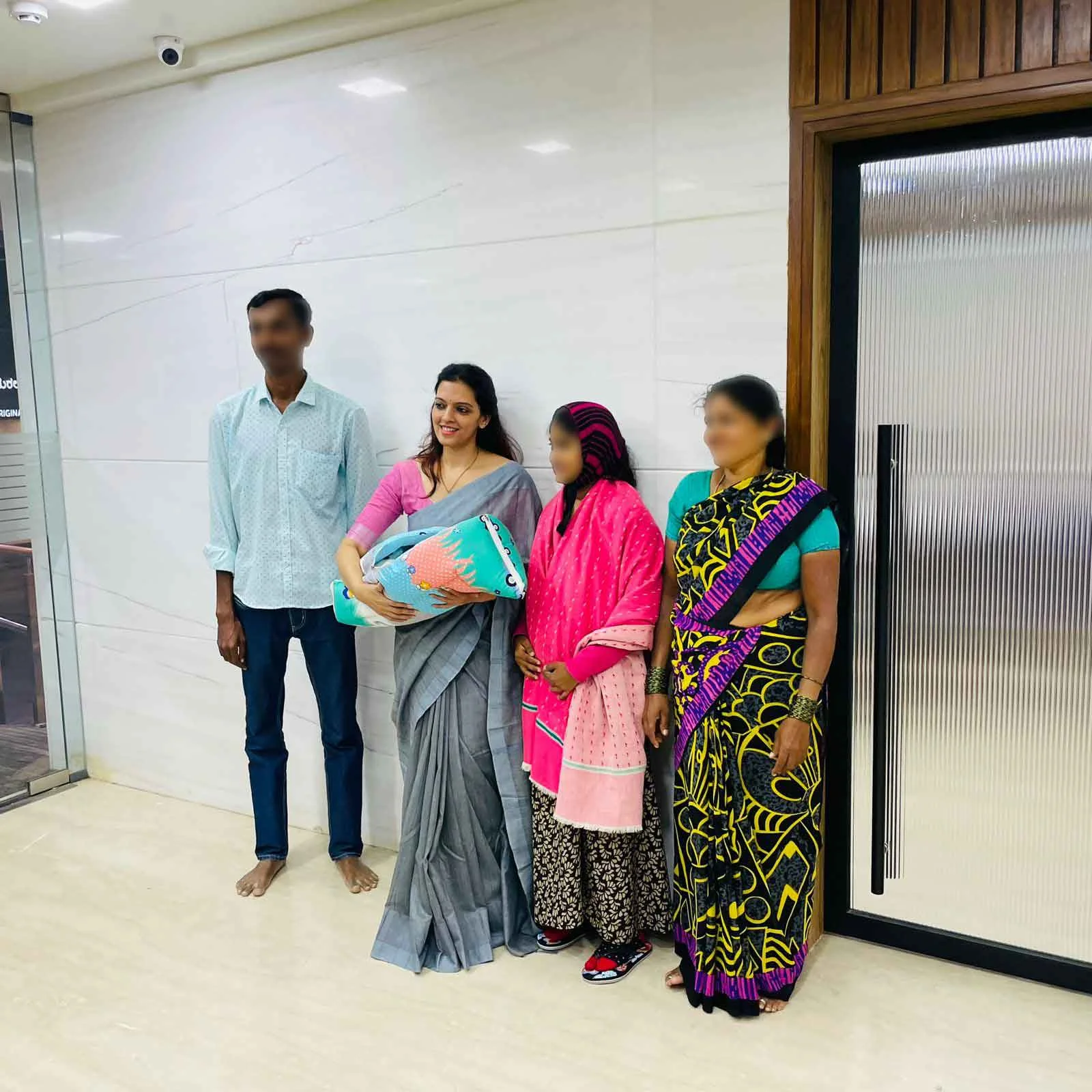

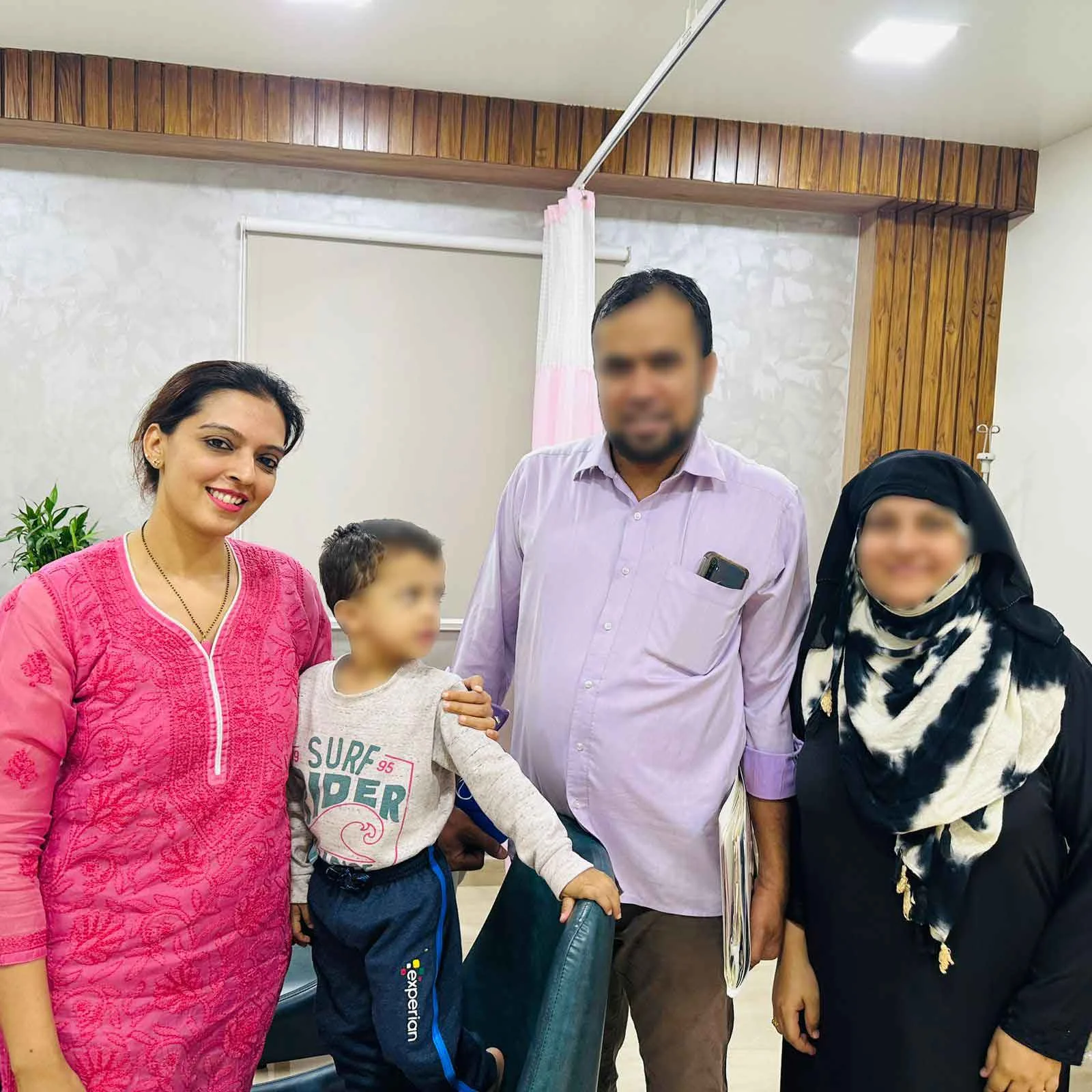
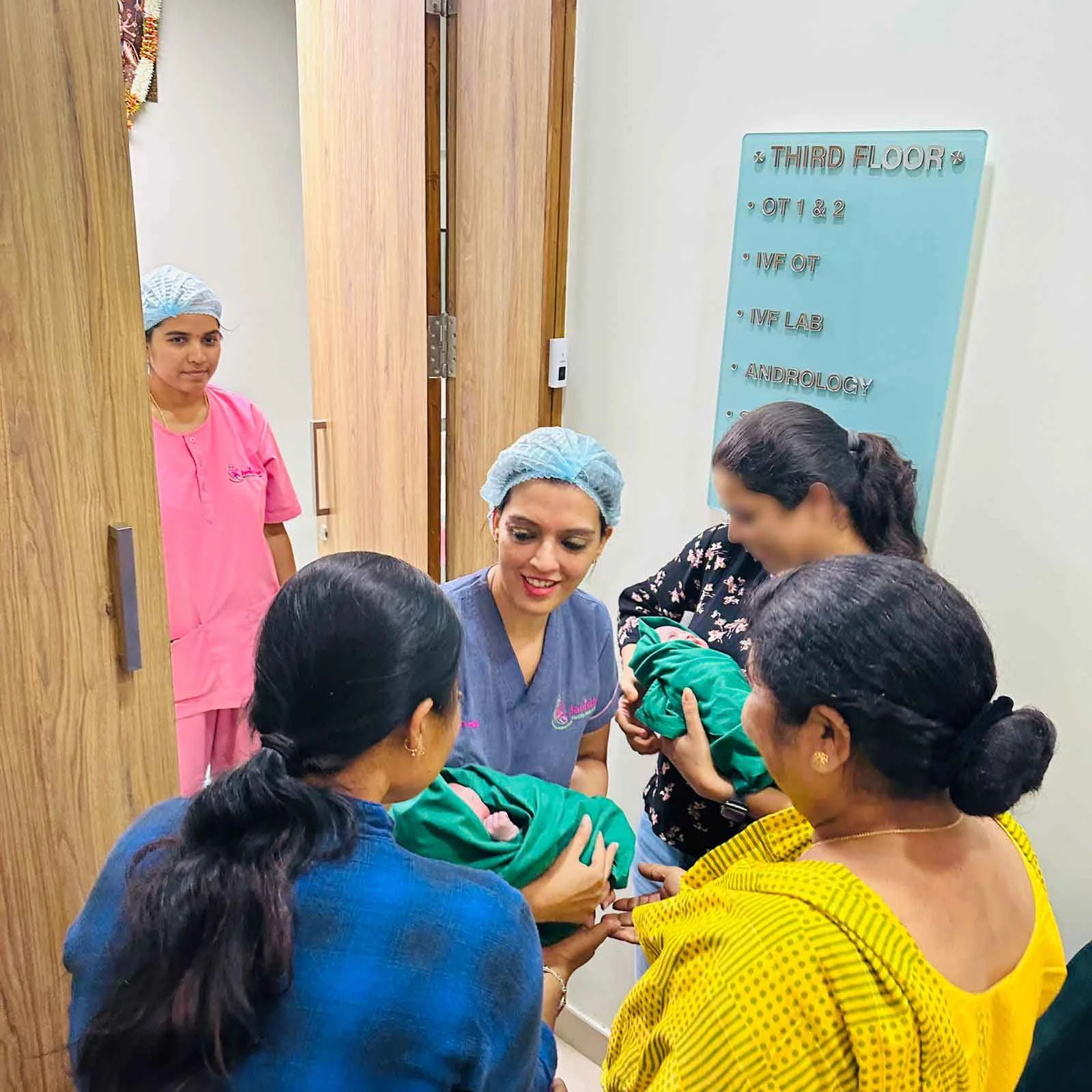
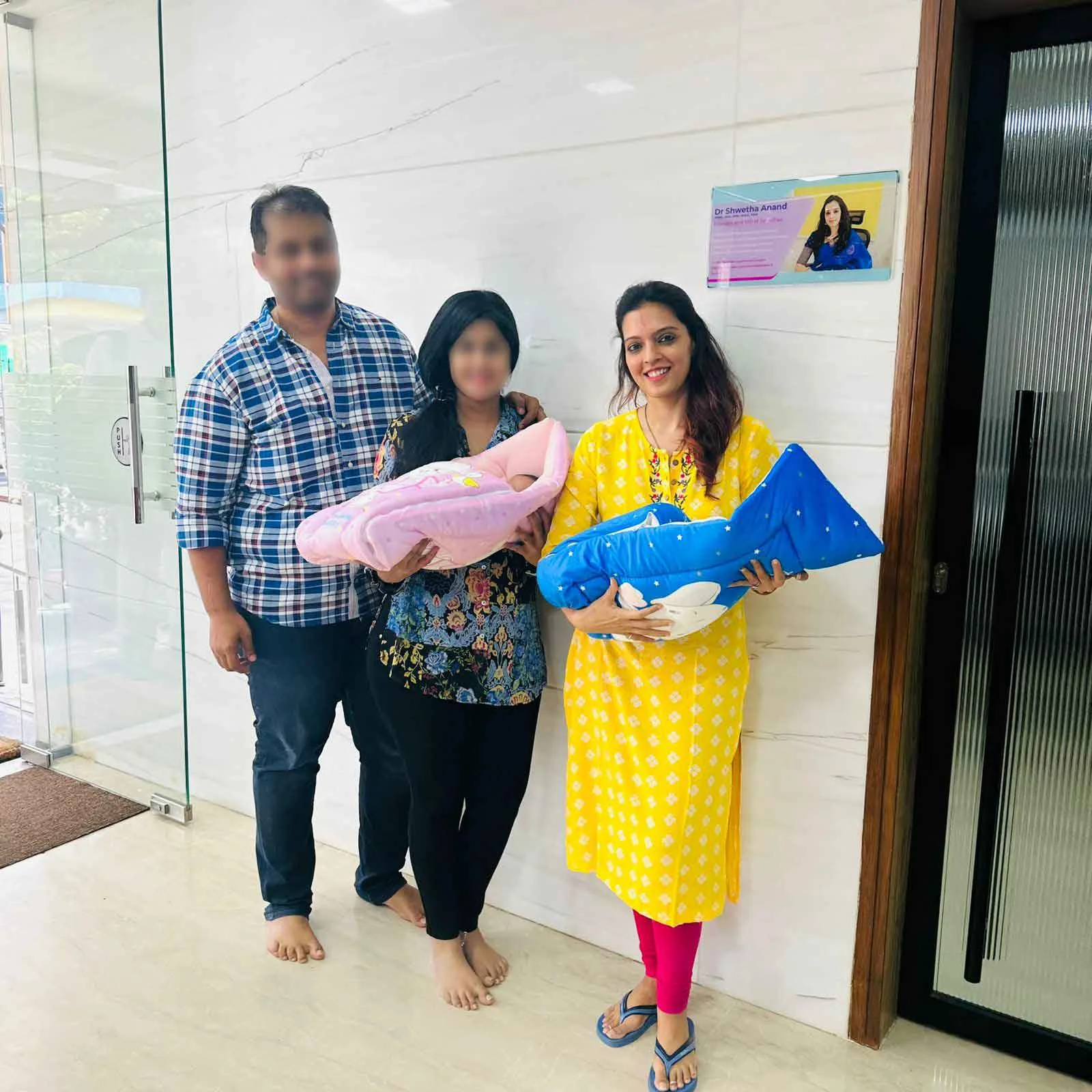
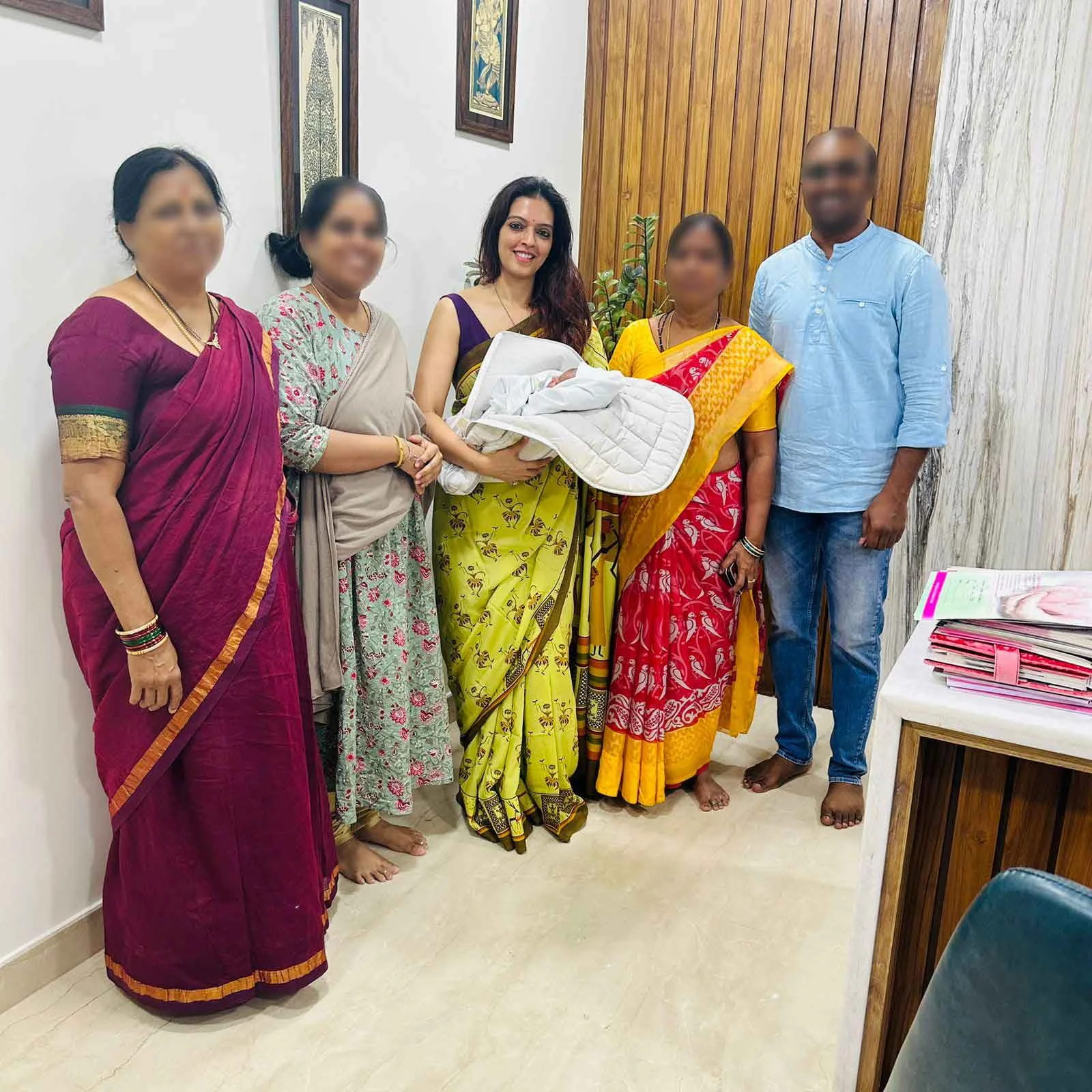
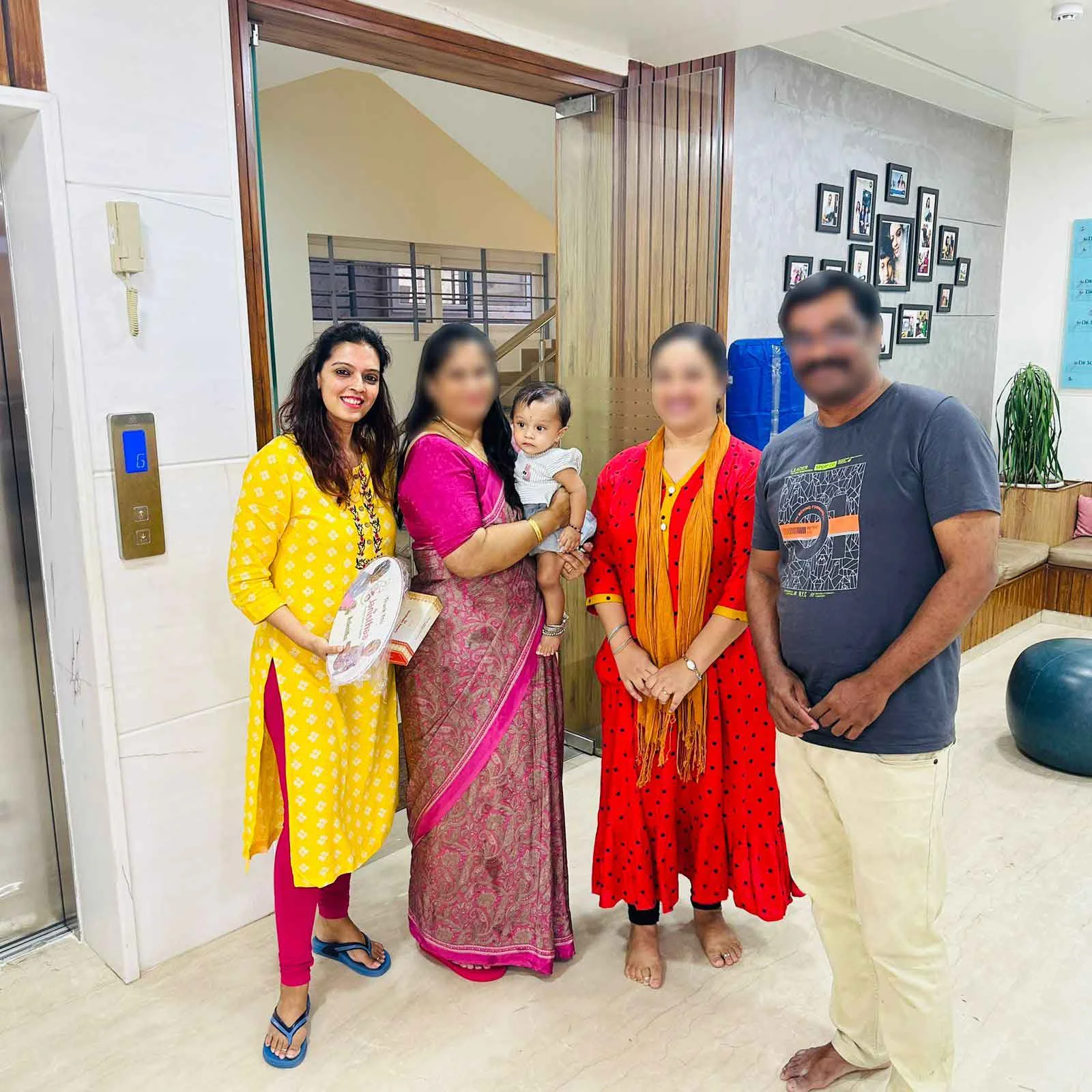
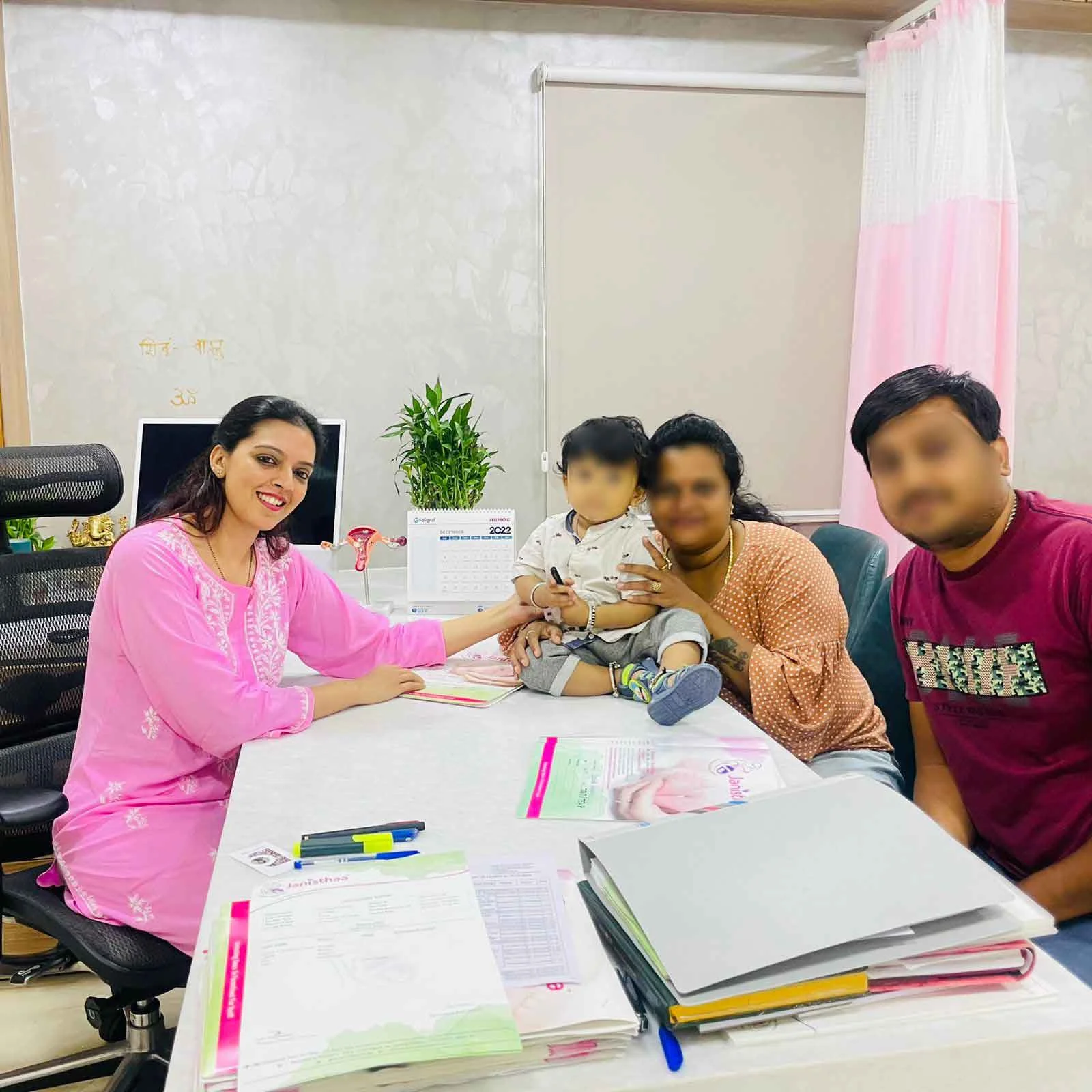
We believe that every parenthood journey deserves compassion, expertise, and unwavering support. These heartfelt testimonials reflect the trust our patients place in us, and we hope they offer you the reassurance to begin your own journey with confidence.
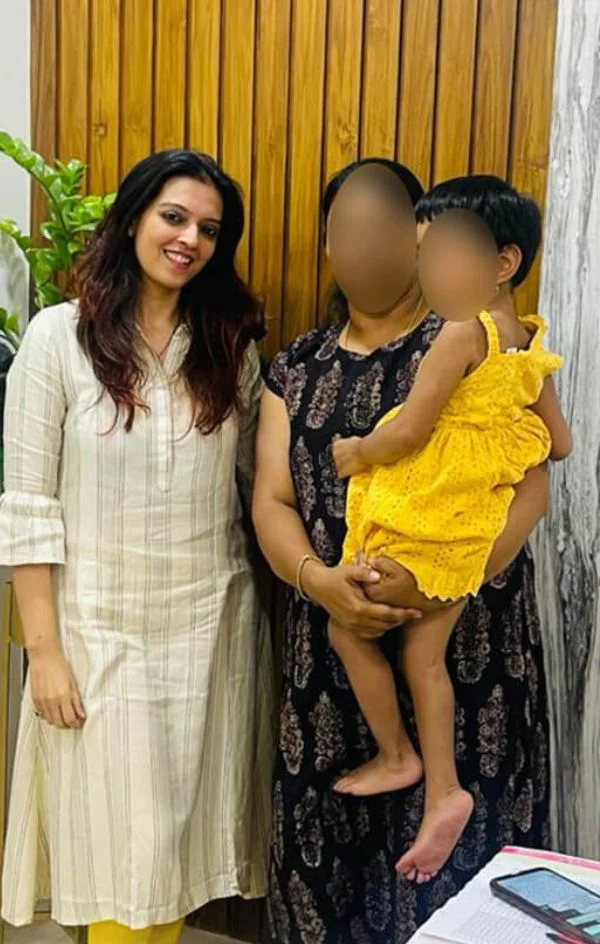
Dr. Shwetha is the most compassionate and knowledgeable doctor I’ve ever met. I came to her with a long-standing gynaecological concern, and thanks to her attentive care and clear guidance, I’m now completely healed. I’ve already recommended her to my family and friends; she truly makes you feel seen and supported.
Priya S., Bengaluru
Dr. Shwetha combines deep medical expertise with a genuinely kind approach. She listens patiently, explains every step of the treatment, and always recommends what’s best for your unique case. The clinic staff are warm and professional, and the facilities are excellent. I felt safe and cared for throughout.
Anjali R., Mysuru
From the moment I walked in, I felt reassured. Dr. Shwetha’s experience and gentle demeanour made all the difference. She doesn’t just treat symptoms; she understands your story. The team here is incredibly supportive, and the environment is calm and welcoming. Highly recommended for anyone seeking thoughtful, effective care.
Meena K., Tumakuru




When it comes to family planning, the journey isn’t always straightforward. For couples facing challenges in conceiving, understanding the nuances
TESA (Testicular Sperm Aspiration) is a minor surgical procedure used to retrieve sperm directly from the testicular tissue in men with severe male infertility.
TESA is recommended for men with non-obstructive azoospermia, very low sperm production, or when sperm is not present in semen despite repeated testing.
TESA usually causes minimal discomfort. The procedure is generally well tolerated, and any mild pain or soreness after the procedure is temporary.
The TESA procedure typically takes about 15–30 minutes and is performed as a day-care procedure.
TESA is usually performed under local anesthesia to ensure patient comfort during the procedure.
Sperm retrieved through TESA is commonly used for IVF with ICSI and may also be frozen for future fertility treatment cycles if required.
TESA retrieves sperm from the testis and is usually used when sperm production is low, while PESA retrieves sperm from the epididymis and is preferred in obstructive azoospermia.
TESA is considered safe when performed by experienced specialists. Minor risks such as temporary swelling or discomfort may occur but are usually short-lived.
Most patients recover quickly and can resume normal daily activities within 24–48 hours, based on individual comfort.
You can book a TESA consultation in Bangalore by submitting the appointment form on the Janisthaa IVF website, calling the clinic, or visiting the centre directly.
Female Fertility Treatments and Conditions:
Copyright © 2026 Janisthaa Fertility and IVF Center. All Rights Reserved.