




How Follicular Study Can Enhance Your Fertility Journey
Curious about how to improve your chances of conceiving? Have you ever wondered how a follicular study could help in
Ovulation induction is a fertility treatment used to stimulate the ovaries to produce and release eggs. In a natural cycle, the body usually releases one egg.
Ovulation induction uses fertility medications to improve egg development and ovulation, especially in women who do not ovulate regularly or have irregular menstrual cycles.
This treatment is commonly recommended as part of fertility care for women experiencing ovulation-related infertility and is often used before or alongside advanced fertility treatments.
Ovulation induction involves carefully prescribed fertility medications, which may include oral tablets or injectable hormones. These medications help stimulate follicle growth in the ovaries and support proper ovulation.
The type and dosage of medication are individualized based on medical history, hormonal levels, and ovarian response to ensure safe and effective treatment.
Ovulation induction uses fertility medications to stimulate ovulation, while follicular monitoring tracks egg growth and timing through ultrasound scans. Together, they support accurate ovulation timing and improve pregnancy outcomes in natural conception, IUI, and IVF treatments.
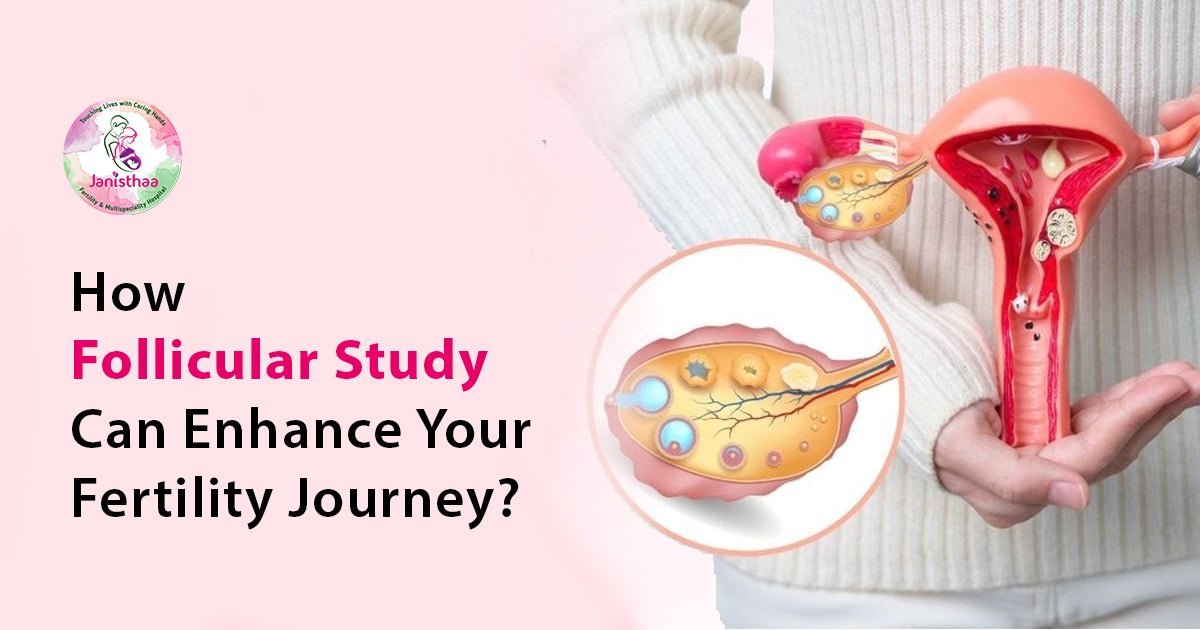
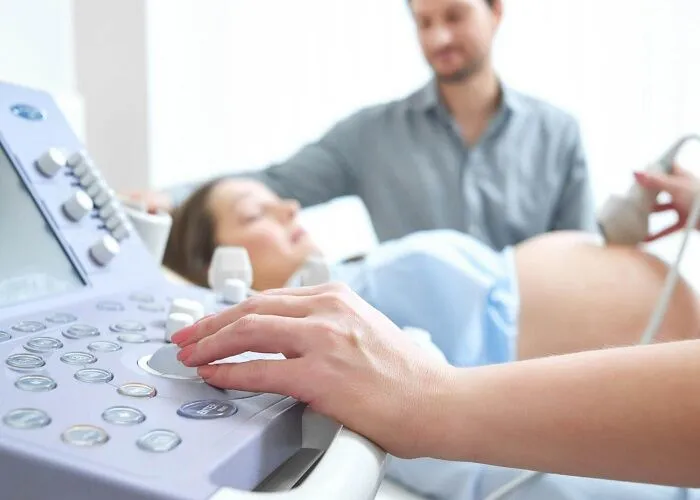
Follicular monitoring is a diagnostic and monitoring process that tracks the growth and development of ovarian follicles using ultrasound scans, usually transvaginal ultrasounds. Follicles contain immature eggs, and monitoring helps determine when the eggs are ready for ovulation.
This process is commonly referred to as follicular study or ovulation tracking.
Follicular monitoring allows fertility specialists to:
Assess how the ovaries respond to fertility medications
Measure follicle size and growth
Track hormone levels such as FSH and LH
Identify the optimal time for ovulation
Accurate monitoring helps prevent over-stimulation and improves treatment outcomes.
By closely observing follicle growth, fertility specialists can adjust medication dosages if required. This ensures the ovaries are responding appropriately and helps reduce risks while improving effectiveness.
Follicular monitoring plays a key role in timing ovulation. It helps determine the best time for:
Natural conception
Timed intercourse
IUI (Intrauterine Insemination)
Proper timing significantly improves the chances of pregnancy.
Ovulation induction is often recommended for women who do not ovulate regularly or have unpredictable menstrual cycles.
Women with PCOS (Polycystic Ovary Syndrome) commonly experience ovulation issues. Ovulation induction helps regulate ovulation and improve the chances of conception.
Ovulation induction may be used as:
A standalone treatment
A preparatory step before IUI
Part of IVF treatment protocols
Fertility specialists decide the best approach based on evaluation results.
The process begins with a fertility evaluation, including hormonal tests, ultrasound scans, and medical history review. This helps determine whether ovulation induction is appropriate.
Once treatment begins:
Fertility medications are prescribed
Follicular monitoring scans are scheduled
Hormone levels are assessed periodically
This structured approach ensures safe and effective ovulation induction.
If ovulation induction alone is not sufficient, fertility specialists may recommend moving to IUI or IVF, depending on the fertility diagnosis and treatment response.
Some women may experience mild side effects such as bloating, mood changes, or abdominal discomfort. These are usually temporary and monitored closely.
Follicular scans are generally painless, though mild discomfort may be experienced during transvaginal ultrasound. The procedure is quick and well tolerated.
After ovulation:
Patients are advised on next steps
Pregnancy testing timelines are explained
Ongoing fertility support is provided
Clear guidance helps reduce anxiety during the treatment journey.
During your consultation:
Fertility concerns are discussed
Fertility Evaluation and treatment options are explained
Questions about medications and monitoring are answered
The goal is to provide clarity and confidence before starting treatment.
Appointments are scheduled based on menstrual cycle timing to ensure accurate monitoring and effective treatment planning.
Ovulation induction at Janisthaa IVF is guided by evidence-based protocols, personalized medication planning, and close follicular monitoring.
The approach focuses on patient safety, accurate ovulation timing, and seamless transition to advanced fertility treatments when required.

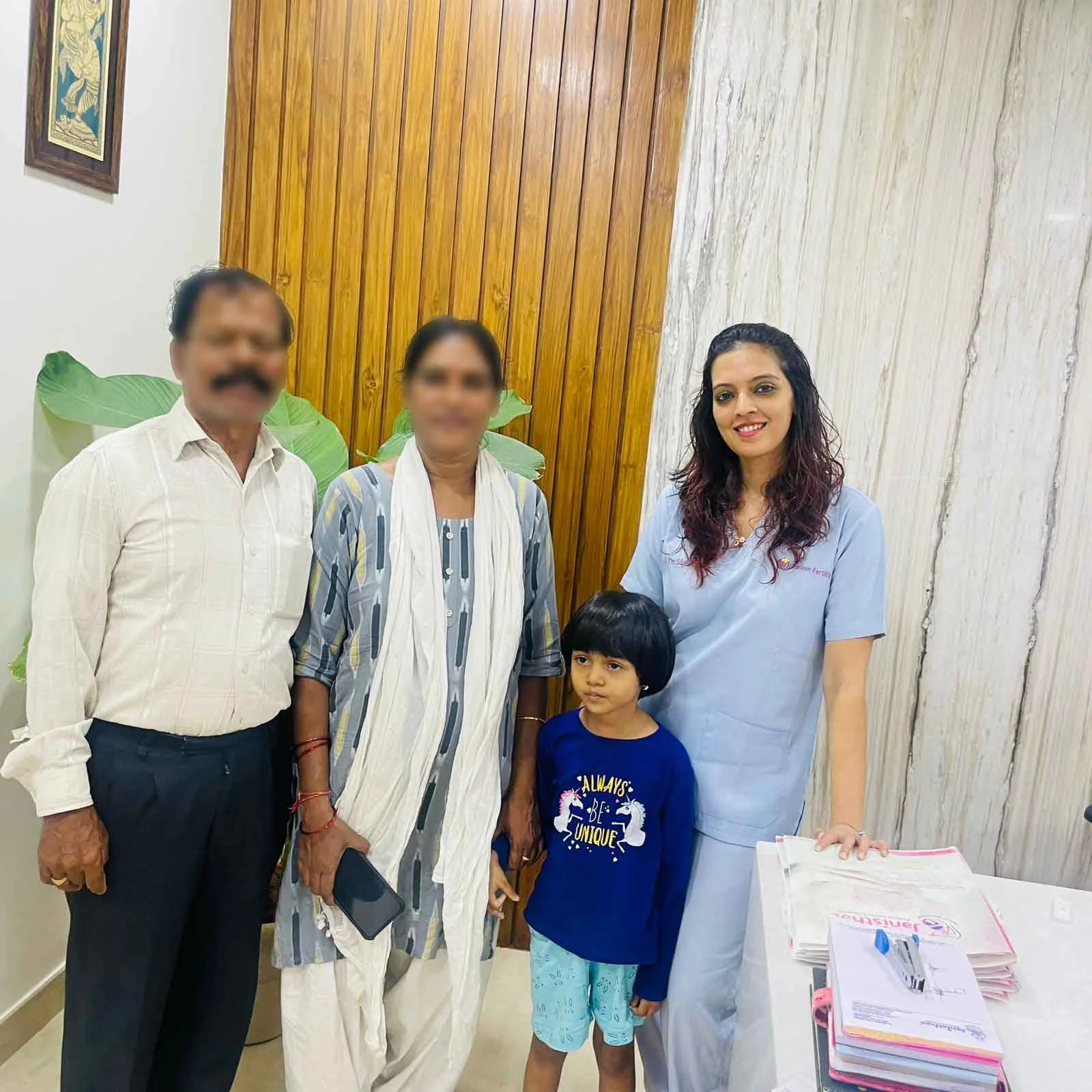
Dr. Shwetha is an expert in reproductive medicine and laparoscopic surgery. She is also a very well qualified Obstetrician and Cosmetic Gynaecologist, capable of handling high risk pregnancies and gynecological issues.
Dr. Shwetha is very passionate about assisted reproductive techniques and she constantly updates herself with the latest techniques. She strictly believes in performing fertility treatments in the most ethical manner by introducing the patients to the most non intrusive stress free treatment. Her treatment and protocols are individualized and customized to each patient; this has proved to be very successful.
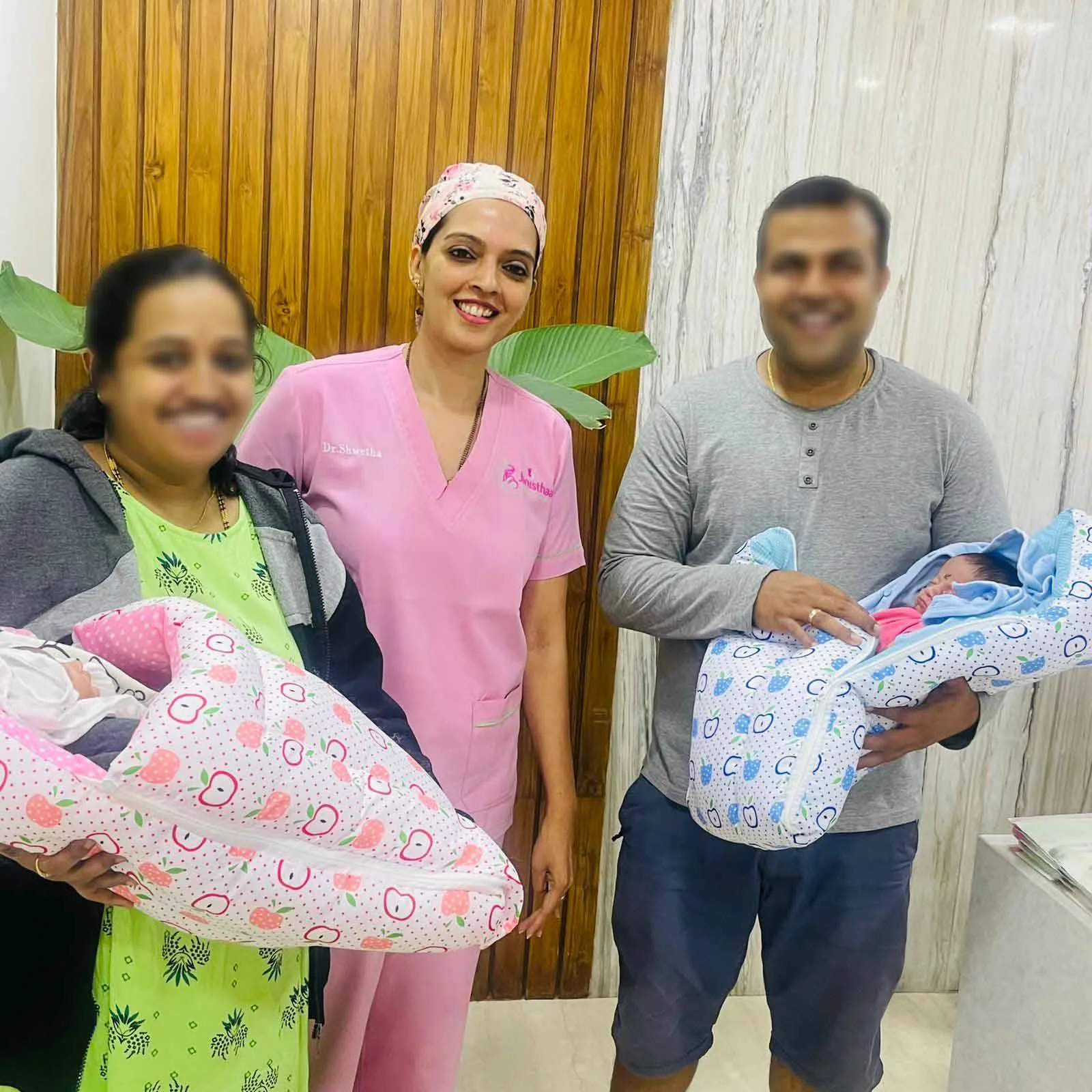
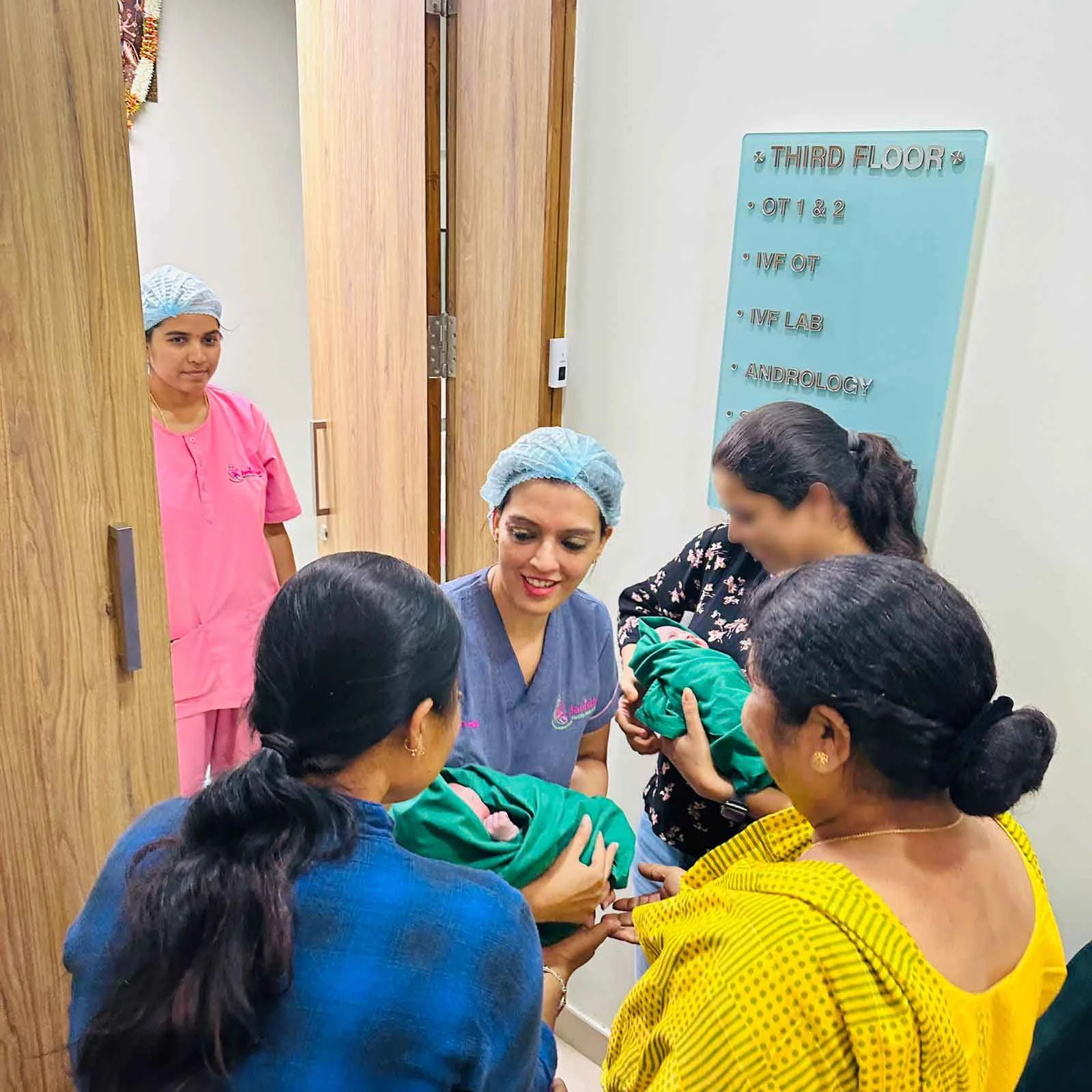
We hope that these testimonials will provide you with the confidence and inspiration to trust us with your journey towards parenthood






Curious about how to improve your chances of conceiving? Have you ever wondered how a follicular study could help in
The average menstrual cycle in women is 28 days. A cycle begins with the first day of bleeding during your
Ovulation induction is a fertility treatment that uses medications to stimulate the ovaries to produce and release eggs, especially in women who do not ovulate regularly.
Follicular monitoring is a process where ultrasound scans track the growth of ovarian follicles and help determine the right time for ovulation and conception.
Ovulation induction helps increase the chances of pregnancy by improving egg development and ovulation, particularly in women with irregular cycles or ovulation disorders.
Follicular monitoring helps fertility specialists assess ovarian response to medications and accurately time ovulation for natural conception, IUI, or IVF.
Ovulation induction is commonly recommended for women with irregular or absent ovulation, PCOS-related infertility, or as part of broader fertility treatments.
Ovulation induction may involve oral medications or injectable hormones, prescribed based on individual hormonal levels, medical history, and ovarian response.
Follicular monitoring is generally not painful. It involves transvaginal ultrasound scans, which may cause mild temporary discomfort for some women.
Success depends on factors such as age, underlying fertility condition, ovarian response, and overall reproductive health. Outcomes are discussed after evaluation.
Yes. Ovulation induction is often combined with IUI and is also used as part of IVF treatment protocols to improve egg availability and timing.
Why do fertility specialists at Janisthaa recommend ovulation induction?
Female Fertility Treatments and Conditions:
Copyright © 2026 Janisthaa Fertility and IVF Center. All Rights Reserved.